
TOP TREATMENTS
Top treatments are the finishing touch that conceal and enhance your drapery or roller shade hardware. They "dress up" the top of a window treatment, creating a clean transition between the window hardware and the fabric below.
Top Treatments Overview
Types of Top Treatments
Materials
Finishes
TYPES OF TOP TREATMENTS
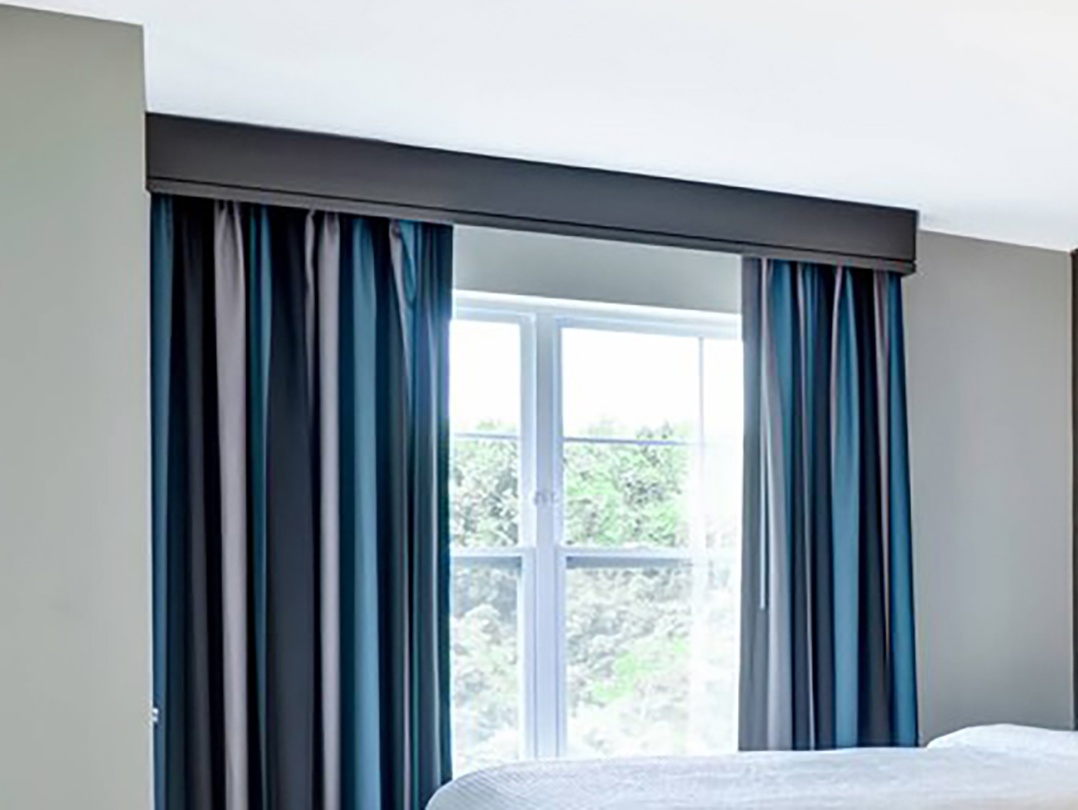
Valances are a simpler top treatment that conceals rods and tracks, often presented as either a painted metal or wooden "box." They can also be wrapped in complementary fabric, or designed with soft, loose fabric that helps transition from hardware to curtain. Think of a valance as an extension of your curtains.
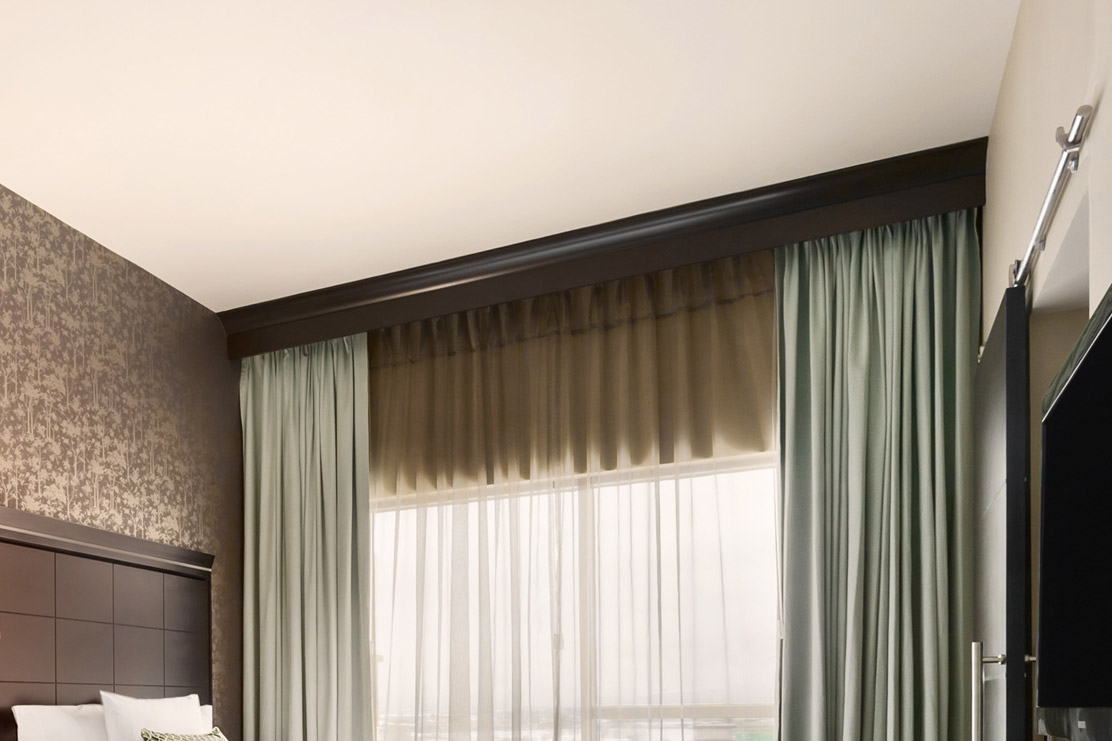
Cornices are a more decorative, stand-alone top treatment. Typically made of wood and resembling crown moulding, they frame the window and act as a decorative feature above the curtains. Think of a cornice as a design element that complements the drapery while standing on its own.
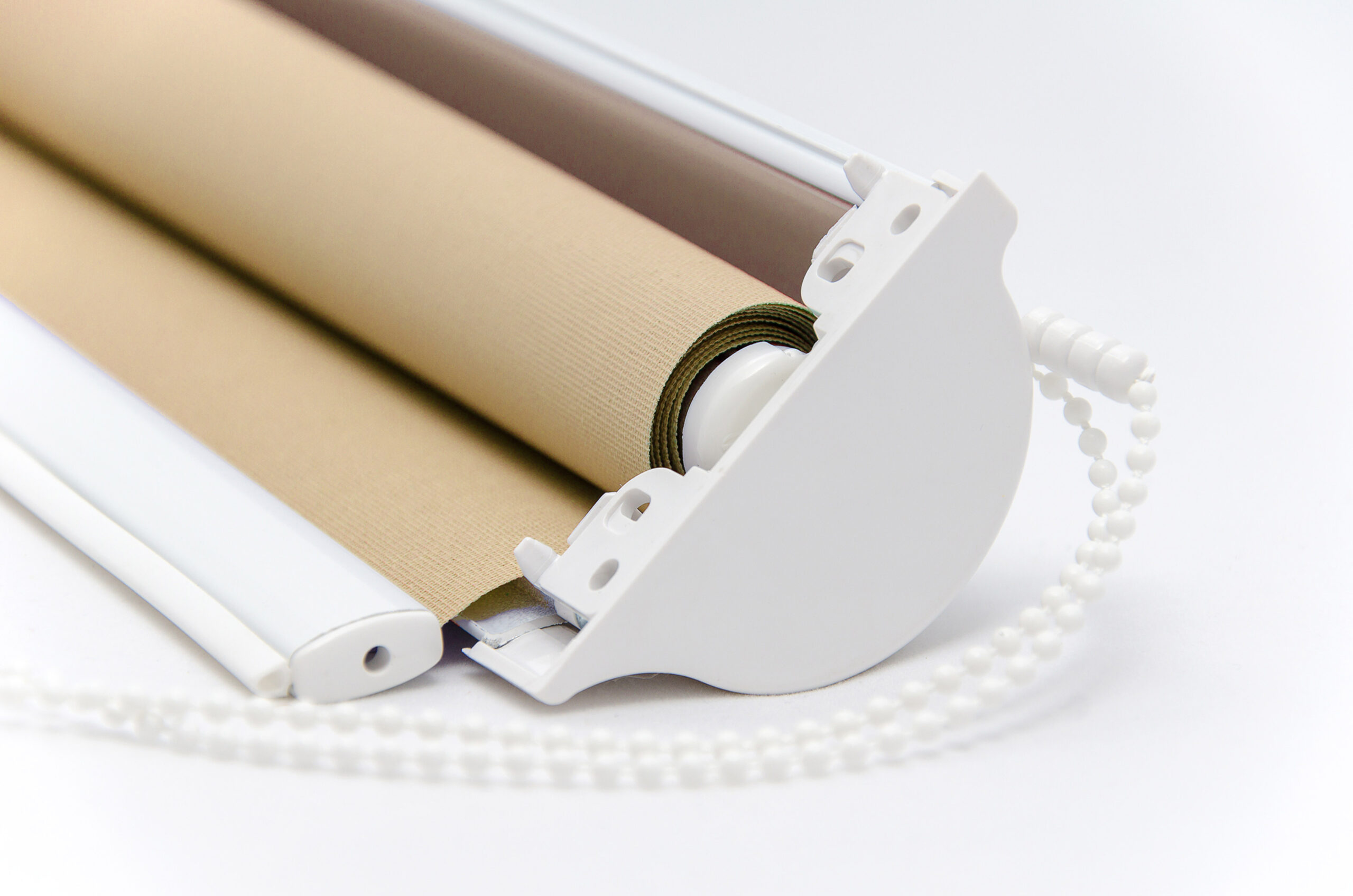
Cassettes are a minimal and purpose-built top treatment used with roller shades. Acting as a smaller, tighter valance, they conceal the fabric roll and hardware, and can be finished with paint or wrapped in fabric.
There are many additional top treatment options we can explore together during the design process. These examples provide a helpful starting point.
MATERIALS
Plastic: A reliable, cost-effective choice when budget is a key priority. Plastic treatments can be painted or wrapped in a fabric of your choice. It's a very practical choice, but does tend to lack the weight and rich visual character of other materials.
Wood: As noted earlier, both valances and cornices can be crafted from wood, though cornices are made exclusively of wood. Cost varies widely depending on the wood species selected. Cornices generally cost more due to their larger size and greater material requirements. On the other hand, a valance, with its simpler and flatter profile, usually offers a more budget-friendly alternative.
Metal: Metal can range from budget-friendly to highly customized and premium. Designs can feature punched patterns, uniquely folded or molded forms, or even clean flat surfaces. Like plastic and wood, metal can be painted, and it can also be left exposed to highlight its natural sheen. Custom finishes such as anodizing or patina can further elevate the look.
FINISHES
Stained: Woods that are not strongly colored can be stained to mimic more premium wood species and can be a cost-effective solution to achieving the color profile you seek.
Painted: Plastics, woods and metals can all be painted and it is just about the simplest form of adding color to your top treatments. Painting also allows you the opportunity to explore a virtually unlimited range of colors. The primary drawback, if considered one, is that painted finishes tend to be smooth and uniform, lacking the texture and depth compared to other options.
Polished: For added shine and visual impact, plastic, wood, and metal can all be finished with a glossy or polished surface.
Fabric wrapped: A fabric can be wrapped around any of the materials listed above to create a seamlessly cohesive look between the top treatment and curtains below.